


Purabi Sonowal, M.D., MBBS
Specialties
- Pediatric Neurology
Locations (1)
- Mount Pleasant, SC

Pediatric epilepsy is a complex neurological condition that affects children of all ages, often requiring a multidisciplinary approach for optimal management. Early and accurate diagnosis is essential to ensure children receive the most effective treatments and support tailored to their unique needs.
MUSC Comprehensive Pediatric Epilepsy Center is dedicated to providing personalized, multidisciplinary care to improve outcomes and quality of life for children living with epilepsy.
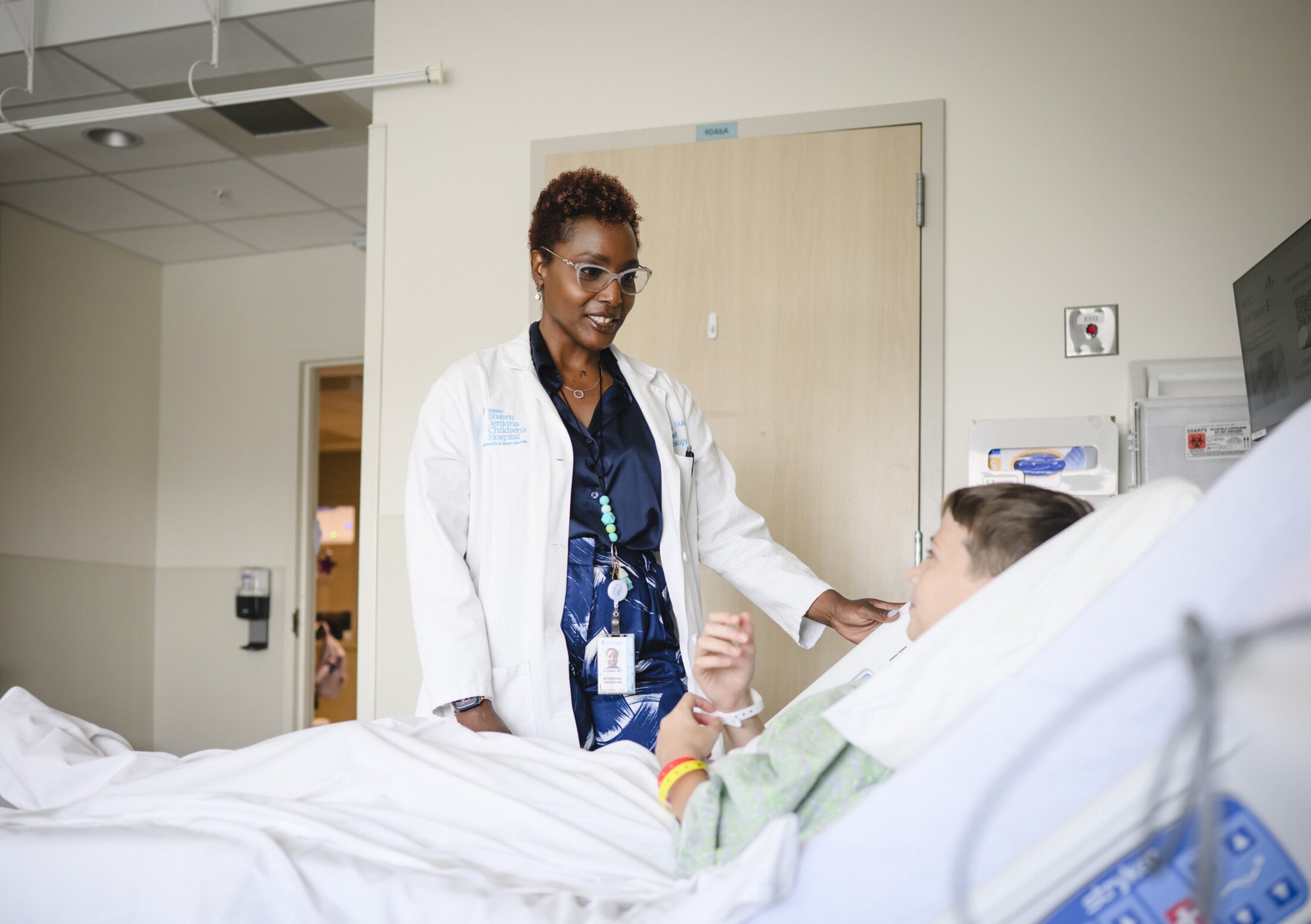
The MUSC Children's Health Comprehensive Pediatric Epilepsy Center is designated as a Pediatric Level IV Epilepsy Center by the National Association of Epilepsy Centers. This designation reflects the highest level of care, expertise, and resources available for the diagnosis and treatment of pediatric epilepsy.
Our team collaborates closely with families and referring providers to ensure seamless communication and continuity of care throughout each patient’s treatment journey. Comprehensive education and support resources are offered to help families navigate diagnosis, management, and daily challenges associated with epilepsy.
The center offers a wide range of multidisciplinary services designed to support children and their families throughout the diagnosis, treatment, and ongoing management of epilepsy. The families also have support managing cognitive, emotional, and behavioral challenges related to epilepsy. While offerings may evolve, the following list covers available services to optimize outcomes and improve quality of life by providing tailored interventions and recommendations.
The Epilepsy Specialty Team is dedicated to providing comprehensive care to children and families affected by epilepsy. Our multidisciplinary team includes three board-certified pediatric epileptologists, a skilled pediatric neurology nurse practitioner, a compassionate nurse care coordinator, and an experienced dietician. Together, we are committed to delivering personalized treatment plans and support throughout each patient’s journey with epilepsy.

Diagnostic testing services are available to support the evaluation and ongoing management of pediatric epilepsy in children. Monitoring services are available in both inpatient and outpatient settings to accommodate each child's clinical needs and circumstances. Call our office to schedule an appointment or speak with a care team member.
Epilepsy is a neurological disorder that can affect children of all ages. In epilepsy, the brain suddenly produces bursts of abnormal electrical activity. For a child’s brain to work properly, there must be a balance between cells that excite and cells that calm down brain activity. When this delicate balance is disturbed, a seizure can occur.
Epilepsy in children can result from a variety of causes. Some children are born with brain abnormalities that make them more likely to have seizures. Others may develop epilepsy after a brain injury at birth, severe head trauma, a brain tumor, or an infection in the brain (such as meningitis or encephalitis). A family history of epilepsy can also cause a child to inherit epilepsy. However, there are cases where no specific cause is found. Epilepsy can begin at any age, including in infants, toddlers, school-age children, and teenagers.
A seizure is a result of abnormal brain electrical activity. A child may experience a sudden change in awareness, behavior, movement, or feeling. There are many different types of seizures that can affect children. Some seizures may be very subtle such as tingling in a part of the body, changes in vision, or a brief stare or a sudden halt in activity. Others can be dramatic involving loss of consciousness, stiffening, and jerking movements.
It’s important to understand the difference between a seizure and epilepsy. Seizures may indicate the possibility of epilepsy in a child; however, seizures do not confirm an epilepsy diagnosis. A seizure is a symptom of a disruption in normal brain activity. Epilepsy, on the other hand, is the underlying condition causing the disruption in normal brain activity. Having epilepsy means that the person is likely to have recurring seizures. If a child has only one seizure, it does not necessarily mean they have epilepsy. Doctors usually diagnose epilepsy when a child has had two or more unprovoked seizures (seizures not caused by a fever or a specific acute medical problem).