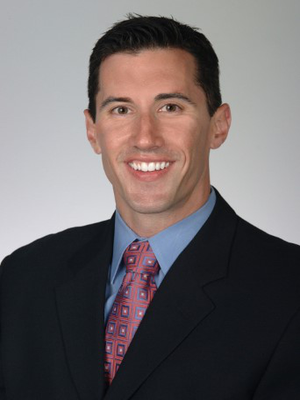



Katherine Twombley, M.D.
Specialties
- Pediatric Nephrology & Hypertension
- Pediatric Transplant Surgery
Locations (1)
- North Charleston, SC

Generally, a kidney transplant is indicated for children who are suffering from irreversible kidney failure. These patients are in Stage IV or V of chronic kidney disease.
Being Selected As A Good Kidney Transplant Candidate Is Based On A Thorough Review Of A Child’s:
Patients Who Are Not Good Candidates for A Kidney Transplant Include Those Who Have:
We accept referrals from your child’s primary pediatric nephrologist, primary care provider, dialysis unit, or directly from you. Once the referral has been made, your child will undergo an extensive medical examination to determine if your child needs a kidney transplant as well as their ability to have a successful transplant. This process may include:
During the evaluation, you will meet with the transplant team including the transplant surgeon, transplant nurse coordinator, dietitian, pharmacist, social worker, and transplant nephrologist. The team will explain the overall transplant course, donor options and the type of care your child will need after the transplantation. You will learn about:
Once the evaluation is complete, the transplant team will determine if a transplant is the best option for your child.
After the evaluation, eligible children are ready for transplant. Children who do not have a donor will be placed on the UNOS transplant waiting list. Generally, a kidney from a deceased donor becomes available within two to three years. The MUSC Transplant Center’s wait times for an available kidney are among the shortest in the nation with superior outcomes. UNOS has a pre-determined process for allocating kidneys from deceased donors to eligible transplant candidates. MUSC physicians do not decide who is next to receive a kidney from the transplant waiting list.
There are more than 90,000 people on the national waiting list for a kidney transplant, and they will be waiting an average of three to five years. The number of kidneys available from deceased donors isn’t enough to meet this demand, and thousands of people die each year waiting for an organ to become available.
There is another way, however. Living kidney donation is a great option for qualified donors and recipients. In fact, donating a kidney to a family member, friend, co-worker or even a stranger is often the best way to provide the lifesaving treatment they need.
MUSC Health’s Living Donor program has been in place for more than 30 years. We’re ready to help you give the ultimate gift – the gift of life.
We are here to support and guide you each step of the way. To speak with a member of the Living Donor Program team call 843-792-5097.
After transplant surgery, children will remain in the MUSC Children’s Hospital until they are ready to go to a nearby hotel. Length of stay in the hospital depends on the child’s health and how well the new kidney is working.
Children’s caregivers will receive transplant education materials. They will learn:
Our goal at MUSC Transplant Center is to provide the patient and family with key information about the pre-transplant evaluation and listing process, transplant surgery and post-transplant care so the patient can make an informed decision about transplant and successfully participate in their post-transplant care.
The information will be provided before wait list placement and again before transplant surgery. Patients are asked to review and sign a Patient Acknowledgement Form, indicating they have reviewed and understand all of the key information.
The donor should not be billed for the evaluation or kidney removal.
One of the factors that makes the MUSC Health Transplant Center an ideal place for a living kidney donation is our surgeons’ extensive experience with laparoscopic kidney removal, of the kidney though the use of a laparoscope. This minimally-invasive technique allows donors to recover faster, with less pain, thereby making it easier to donate a living kidney.
The MUSC Health Transplant Center has performed more than 500 living kidney transplants. To see specific data about these life-saving transplants, contact the United Network for Organ Sharing (UNOS).
The kidney transplant team is the strength of our program and encompasses all of the specialists involved in treating and caring for patients. These individuals collaborate to ensure each patient receives the care and information necessary for a successful outcome. The transplant coordinator is the main point of contact and he or she will be completely familiar with each patient’s needs.